





How to Choose the Right Steel for Your 2026 Construction Project in Nigeria
Nigeria’s construction sector is becoming more dynamic, driven by urban growth and a growing focus on structural resilience. Choosing the right steel is a strategic decision with major safety and financial consequences. Steel quality directly affects durability and service life, making it essential to match types to local conditions, load requirements, and design standards.
In an era where structural failures have drawn national attention, identifying the most suitable steel constitutes both a professional responsibility and a statutory obligation for developers. The selection process begins with a clear appreciation of the critical role high-grade construction steel plays in ensuring structural integrity across modern urban developments. As the primary load-bearing framework of the built environment, appropriate steel grades provide the requisite tensile strength and ductility to support applications ranging from high-rise buildings to heavy industrial facilities.
Steel selection is therefore not merely a technical specification exercise; it is a determinative factor in establishing the structure’s safety margins and performance thresholds. A thorough understanding of standard steel grades used in construction forms the foundation for successful project execution in 2026. Prioritizing premium-quality steel mitigates the risk of premature material degradation, fatigue, and structural failure, thereby protecting asset value over the long term. Ultimately, the durability, serviceability, and safety of any modern structure are intrinsically linked to the construction steel specified for its foundation and superstructure, making every decision, from material specification to procurement, central to the building’s long-term resilience.
Understanding Steel Types in Modern Construction
To build effectively in 2026, understanding basic material properties is essential. Steel is an engineered alloy with attributes like strength and durability. Choosing the right steel for construction comes down to matching these properties to your structural needs. The available steel types provide flexibility in both residential and commercial projects.
Ductility helps steel absorb energy and bend under stress. The best steel for building also has a high strength rating to aid heavy loads. Modern steel is designed to handle tension and balance hardness with flexibility. Various steel types offer different levels of weldability, used for structural needs. High-quality steel resists impurities and withstands environmental stress.
Common Steel Types For Construction in Nigeria
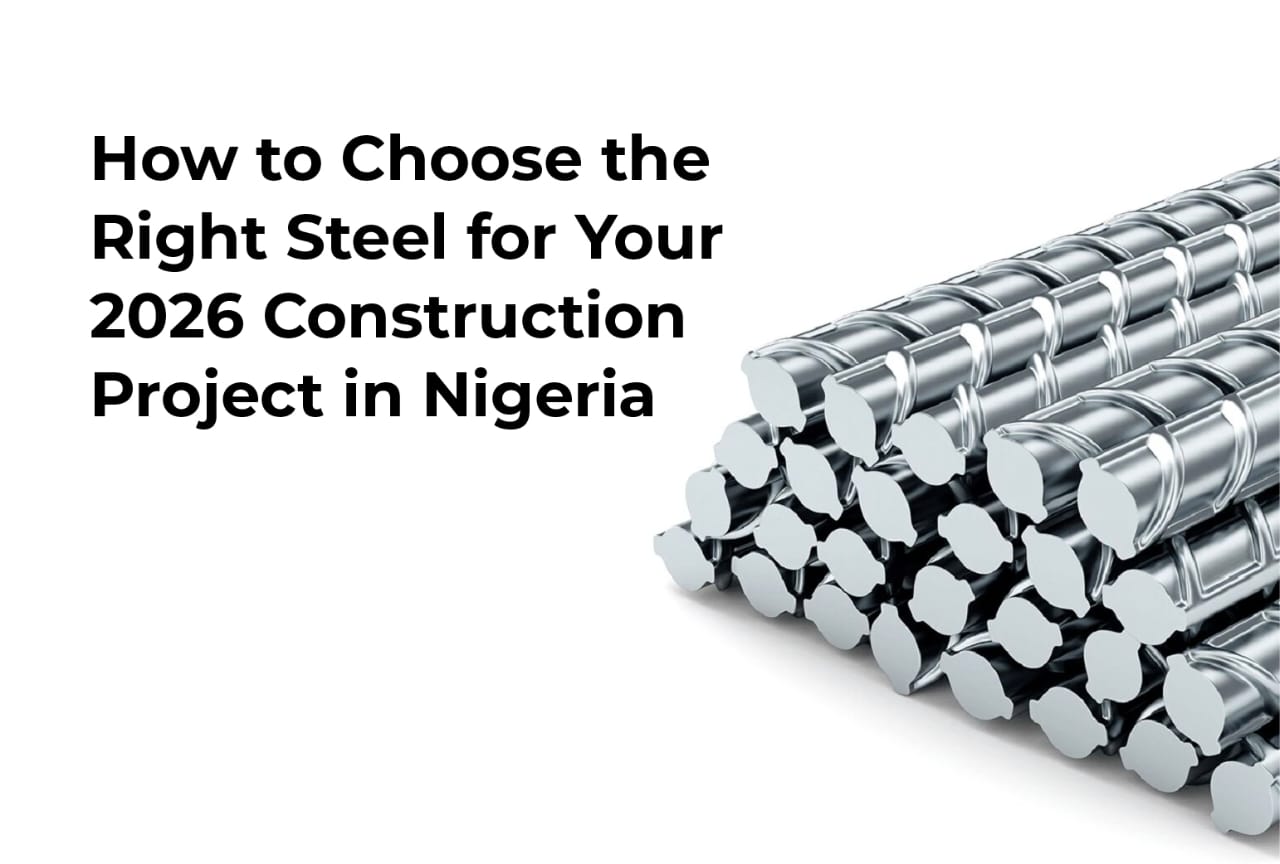
In 2026, Thermo-Mechanically Treated (TMT) rebars remain the most sought-after steel for construction in Nigeria. Their tough outer rim and ductile core make them ideal for concrete projects, providing excellent bonding with cement and reliable performance in both residential and commercial buildings.
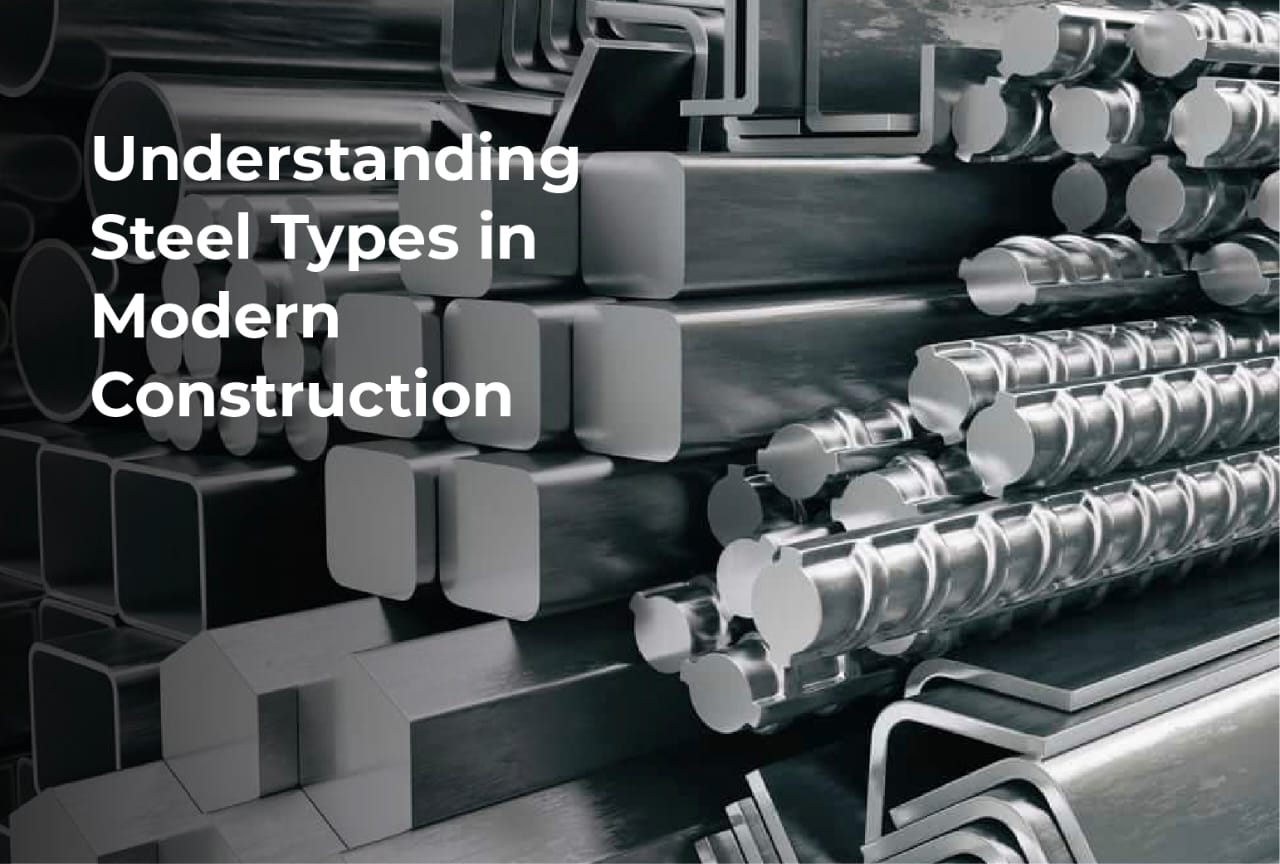
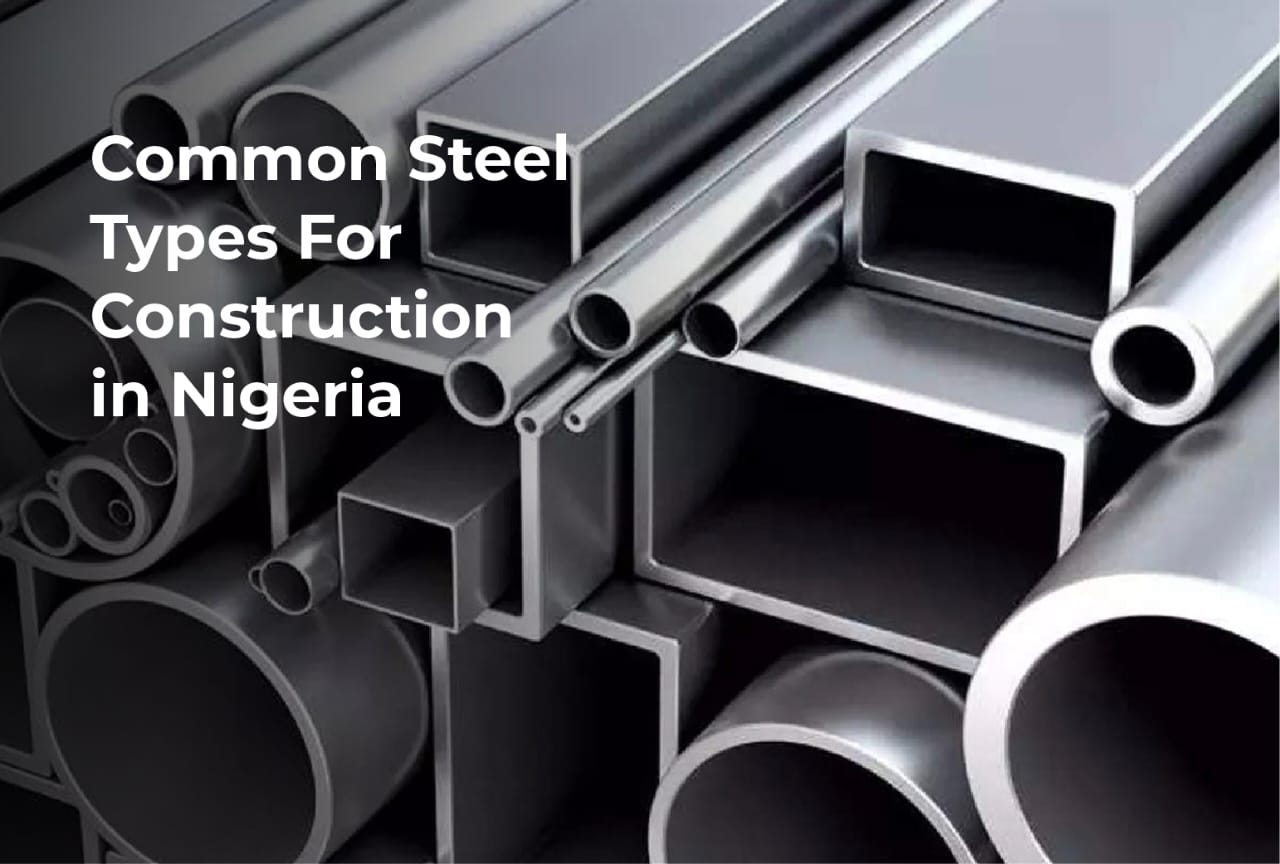
Structural steel, such as I-beams and H-sections, is increasingly used for rapid-build commercial projects, enabling larger open floors and faster assembly than traditional concrete. Wire rods and mild steel plates provide secondary supports and stirrups. Using the right steel, high-tensile for load-bearing elements and mild steel for non-structural parts, ensures efficiency and meets the expected demands of 2026 construction projects.
Key Factors to Consider When Choosing Steel
- Project Type
The nature of the development, residential, commercial, or industrial, is the primary driver for choosing the right steel for construction. A high-rise apartment block in Lagos requires a different steel than a single-story warehouse in the hinterlands. For residential projects, the best steel for building usually focuses on standard TMT rebars of varying diameters. However, for massive infrastructure projects, specialized construction with specific chemical resistances may be required.
- Load and Structural Requirements
Weight-bearing capacity is the primary, non-negotiable factor when selecting steel for construction. Engineers must calculate total structural loads and choose steel grades that meet the required yield stress. For demanding projects like bridges, the best construction steel must also offer high fatigue resistance. Using the correct steel grade prevents sagging and reduces the risk of micro-cracks over time.
- Environmental and Climate Conditions in Nigeria
Nigeria’s diverse geography makes local climate knowledge essential when selecting steel. Coastal regions with high salinity require galvanized or epoxy-coated steel to prevent corrosion. While drier areas can use standard construction steel if it is stored properly to avoid surface oxidation.
- Compliance with Nigerian Standards
Safety standards set by the Standards Organisation of Nigeria (SON) are the ultimate benchmark for selecting the right steel for construction in Nigeria. You must ensure that the steel types carry the MANCAP logo and meet the NIS 117:2004 specifications. Using the best steel for building in Nigeria means strictly avoiding "undersized" or "re-rolled" bars that do not meet these certifications.
Cost Planning for 2026 Projects

Steel is often the most expensive component of the structural phase, so understanding the price trends of different steel types for construction in Nigeria is essential. While it is tempting to go for the lowest price, the best steel for building in Nigeria offers better long-term value through reduced maintenance and lower waste. Budgeting for construction steel in Nigeria requires accounting for both the purchase price and the logistical costs of delivery.
Cost planning involves balancing the upfront investment against the structural efficiency of different steel types. High-tensile bars may cost more per unit, but they often allow for a reduction in the total number of bars needed, which is a smart way of choosing the right steel for construction in Nigeria. To find the best steel for building within your budget, consider purchasing directly from reputable local mills during price dips. Hidden costs often arise from using poor-quality construction steel, which can lead to expensive site delays or remedial works. When choosing the right steel for construction, transparency in pricing and quality certificates is paramount. Monitoring the availability of various steel types for construction helps in managing the procurement timeline effectively. Ultimately, the best steel for building in Nigeria is the one that fits your engineering needs without compromising your financial stability. High-quality steel is an investment in the future value of your property.
How to Verify Steel Quality Before Purchase
Verification is the most effective safeguard when selecting construction steel in Nigeria. Before use, site managers must ensure the steel matches the engineer’s specifications and bears clear embossed markings showing the manufacturer and strength grade, confirming its quality on-site.
Choosing the right steel for construction in Nigeria requires careful quality checks. Always request a Mill Test Certificate (MTC) for every batch, detailing its chemical composition and mechanical properties. Conduct simple on-site tests, such as a “bend and re-bend,” rejecting any steel that cracks or snaps. Work with reputable suppliers and ensure your engineer inspects all steel before installation. Consistent verification and oversight ensure only high-quality steel is used in your building.
Sustainability and Future-Ready Construction
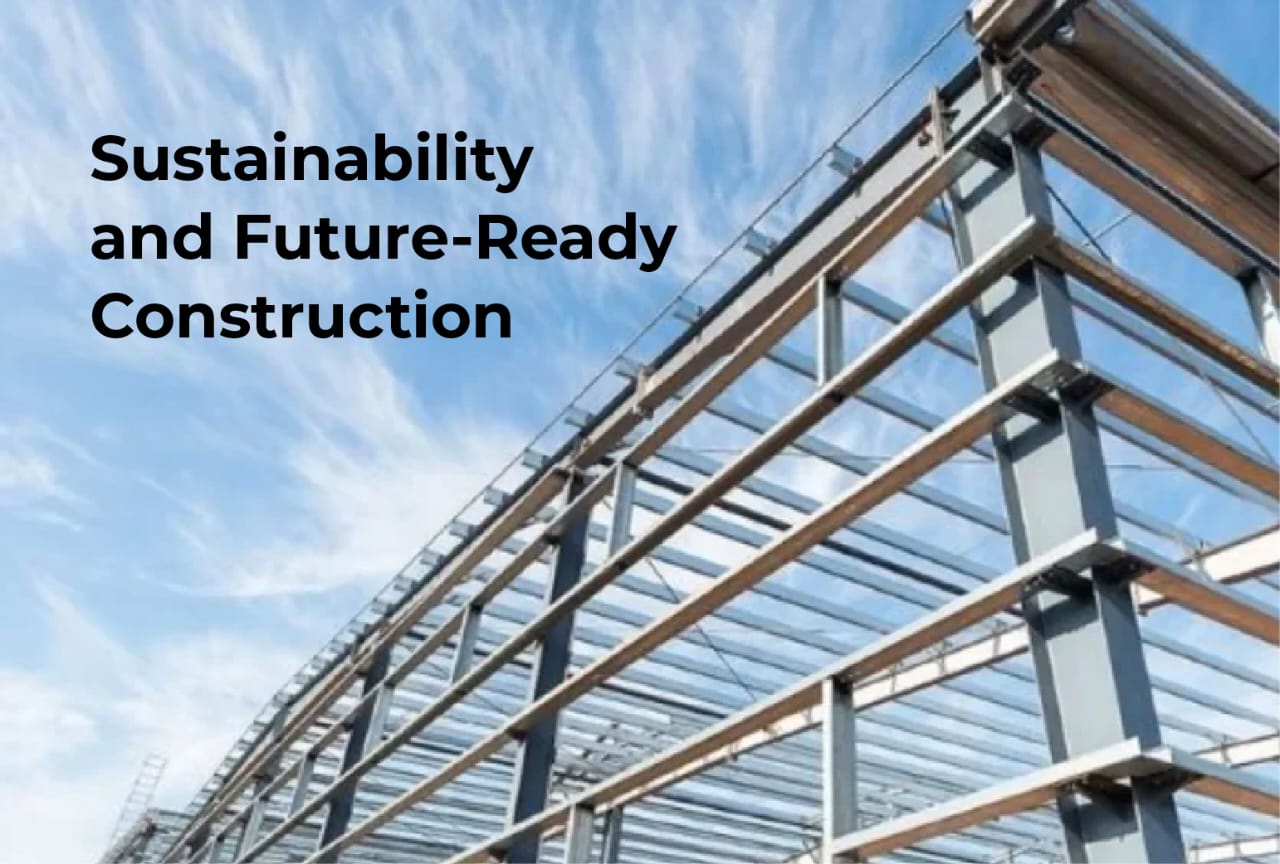
As we move through 2026, sustainability has become a major factor in choosing the right steel for construction in Nigeria. Green building certifications now encourage the use of Steel types for construction in Nigeria that are produced through eco-friendly methods. The best steel for building is identified as a material with high recycled content, which reduces the environmental footprint of the project. Using sustainable construction steel in Nigeria aligns your project with modern global trends and local environmental goals.
Steel’s ability to be recycled indefinitely makes it a leader among steel types for construction in Nigeria for the circular economy. When selecting the right steel for construction in Nigeria, developers are now looking at the "embodied carbon" of their materials. The best steel for building in Nigeria for the next decade will be those products that offer high strength with lower manufacturing emissions. Adopting these modern construction steel options in Nigeria can also improve a project's marketability to eco-conscious investors. Choosing the right steel for construction in Nigeria is now about more than just strength; it is about longevity and environmental responsibility. As more manufacturers adopt cleaner technologies, the variety of sustainable steel types for construction in Nigeria continues to grow. Investing in the best steel for building in Nigeria today ensures a resilient and responsible structure for the future. Modern construction steel in Nigeria is paving the way for a greener urban landscape.
Common Mistakes to Avoid
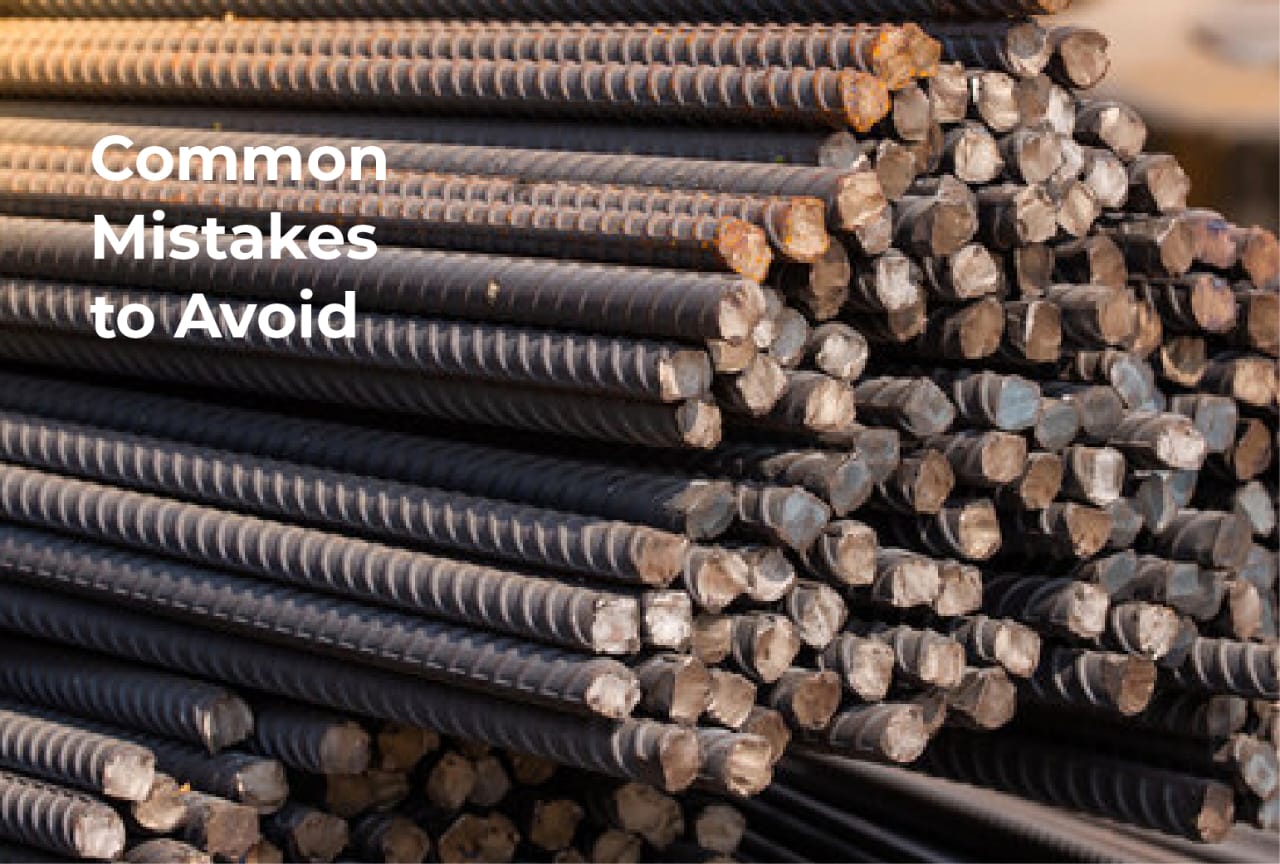
A frequent error when choosing the right steel for construction in Nigeria is prioritizing price over technical specifications. Many builders accidentally purchase "commercial grade" steel types for construction that are not suitable for load-bearing structures. To ensure you have the best steel for building, you must always verify the grade against your architectural drawings. Another mistake is using the wrong diameter of construction steel in Nigeria, which can lead to structural imbalances.
Ignoring the impact of environmental exposure is another common pitfall when choosing the right steel for construction in Nigeria. Using non-protected steel types for construction in swampy or coastal terrains leads to rapid oxidation and "spalling" of the concrete. The best steel for building in Nigeria for such areas must be specifically treated for corrosion resistance. Furthermore, many developers fail to inspect the storage conditions of their construction steel in Nigeria, allowing it to sit in standing water. When choosing the right steel for construction in Nigeria, ensure that the materials are kept on raised platforms. Mixing different steel types for construction in Nigeria in a single column is also a dangerous practice that should be avoided. Finding the best steel for building in Nigeria requires strict adherence to engineering best practices. Proper handling of construction steel in Nigeria is just as important as the initial purchase.
Expert Tips for Builders and Developers

One of the top expert tips for choosing the right steel for construction in Nigeria is to consult with a structural engineer at the earliest possible stage. They can help you navigate the complex market of steel types for construction in Nigeria to find the most efficient solution for your design. To secure the best steel for building in Nigeria, always plan your procurement at least three months in advance to avoid the stress of market shortages. Developing a relationship with a certified manufacturer of construction steel in Nigeria can also provide you with technical support and better pricing.
- Always weigh a sample of the steel to ensure it meets the required mass per meter; this is a key step in choosing the right steel for construction in Nigeria.
- Categorize your steel types for construction in Nigeria on-site to prevent the accidental use of low-grade bars in high-stress areas.
- The best steel for building should be accompanied by a digital or physical paper trail from the factory.
- Monitor the storage of your construction steel to prevent mud and oil pollution, which can weaken the bond with concrete.
Early planning and expert consultation make the task of choosing the right steel for construction in Nigeria much more manageable. By understanding the mechanical limits of different steel types, you can optimize your material usage. The best steel for building in Nigeria is a product of both quality manufacturing and professional site management. Investing time in selecting the right construction steel in Nigeria will pay dividends in structural safety and peace of mind.
Choosing the right steel is a foundational decision that dictates the success of any 2026 building project. By carefully evaluating the different Steel types for construction in Nigeria, developers can ensure their projects are both safe and cost-effective. The best steel for building in Nigeria is the one that meets SON standards and matches your specific environmental and structural needs. Never compromise on the quality of your construction steel in Nigeria, as the integrity of your entire project depends on it. High-quality construction steel in Nigeria is the key to building structures that will stand as a testament to your vision for decades to come. Choosing a partner like Quantum Steels means moving beyond simple procurement and investing in the structural integrity, safety, and longevity of your build.
Contact us today at www.quantumsteelsnigeria.com to get started.