





Why Builders Prefer Fe 500 TMT Rods for Residential Projects
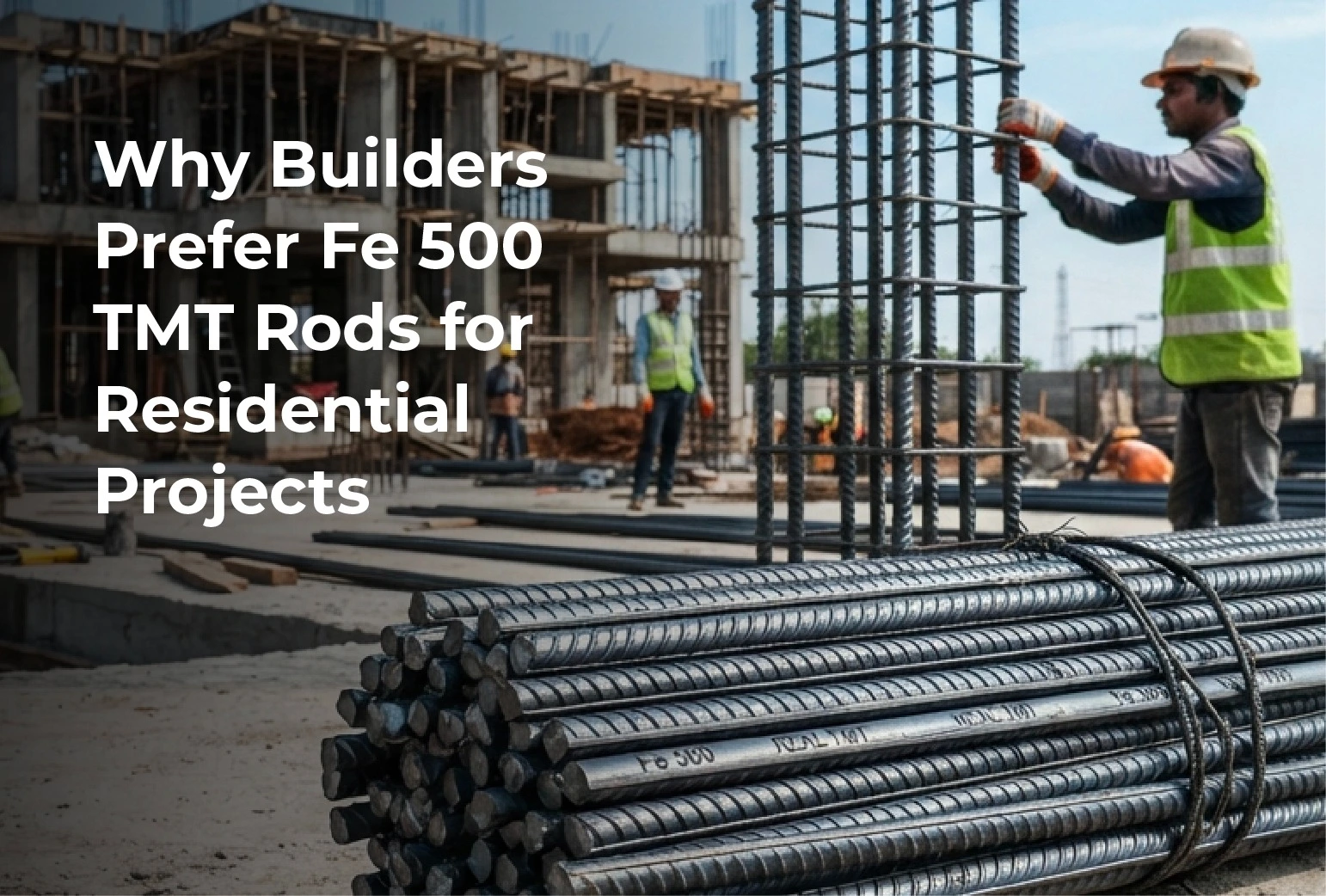
The strength of any residential building begins long before concrete is poured or walls are erected. It begins with the materials selected at the design and construction stage. Among these materials, reinforcement steel plays an important role. It carries tensile loads, supports structural stability, and helps buildings withstand the stresses they will face throughout their service life.
Fe 500 TMT rods have emerged as the preferred reinforcement solution for residential construction. From private homes and duplexes to apartment complexes and housing estates, builders continue to choose Fe 500 TMT bars because they offer the balance of strength, ductility, durability, and value that modern construction demands.
The demands placed on residential structures have also evolved. Rising urbanisation, changing building designs, varying soil conditions, and the need for long-term structural performance have increased the importance of selecting the right reinforcement steel. Builders can no longer afford to view reinforcement as a commodity product. The quality, consistency, and mechanical properties of the steel used within a structure can influence its safety, lifespan, and maintenance requirements for decades.
In this article, we will examine the key reasons why Fe 500 TMT rods have become the preferred choice for house construction, explore their performance advantages over other grades, and explain why many engineers consider them among the best TMT bars for residential projects in Nigeria.
What Are Fe 500 TMT Rods?
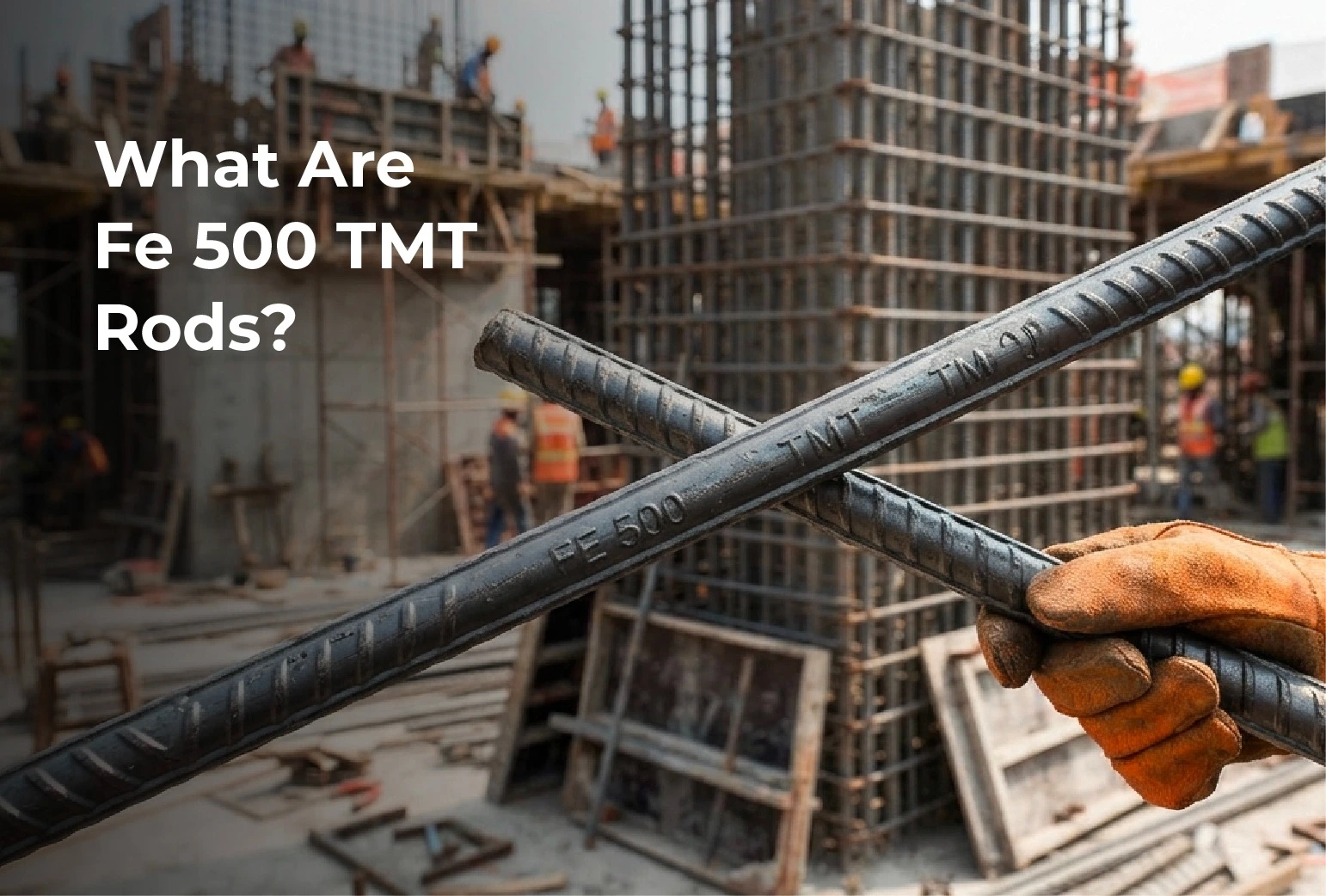
Fe 500 TMT rods are thermo-mechanically treated reinforcement steel bars engineered to deliver a minimum yield strength of 500 N/mm². The designation "Fe" refers to iron, while "500" represents the yield strength that the steel can withstand before permanent deformation occurs. This combination of strength and durability has made Fe 500 TMT bars one of the most widely used reinforcement products in modern construction.
The performance of these bars is a result of the thermo-mechanical treatment process used during manufacturing. Steel billets are heated to high temperatures and passed through rolling mills to achieve the required size and shape. Immediately after rolling, the bars undergo rapid water quenching, which hardens the outer surface while preserving the temperature of the core. As the bars cool, heat from the core tempers the outer layer, creating a unique microstructure with a strong exterior and a ductile interior.
This manufacturing process gives Fe 500 steel rods a distinct advantage over conventional mild steel reinforcement. The hardened outer layer provides strength and wear resistance, while the ductile core allows the bars to absorb stress and accommodate structural movement without brittle failure. The result is a reinforcement bar capable of meeting the demands of modern residential and commercial construction.
For engineers, Fe 500 TMT rods offer predictable mechanical performance, consistent dimensional accuracy, and reliable structural behaviour. For contractors, they make fabrication, bending, and on-site placement straightforward and efficient. For property owners, they contribute to durable, well-reinforced structures that support long-term performance when combined with quality design and construction practices.
Across the construction sector, these reinforcement steel bars are used in foundations, columns, beams, slabs, staircases, retaining walls, and other critical structural elements. Their ability to combine strength, ductility, and durability has made them a standard choice for residential buildings, commercial developments, industrial facilities, and major infrastructure projects.
As construction standards continue to evolve, Fe 500 TMT rods remain one of the most trusted materials for reinforcing concrete structures, helping engineers and builders create buildings that can withstand both structural loads and environmental challenges over time.
High Strength for Residential Structures
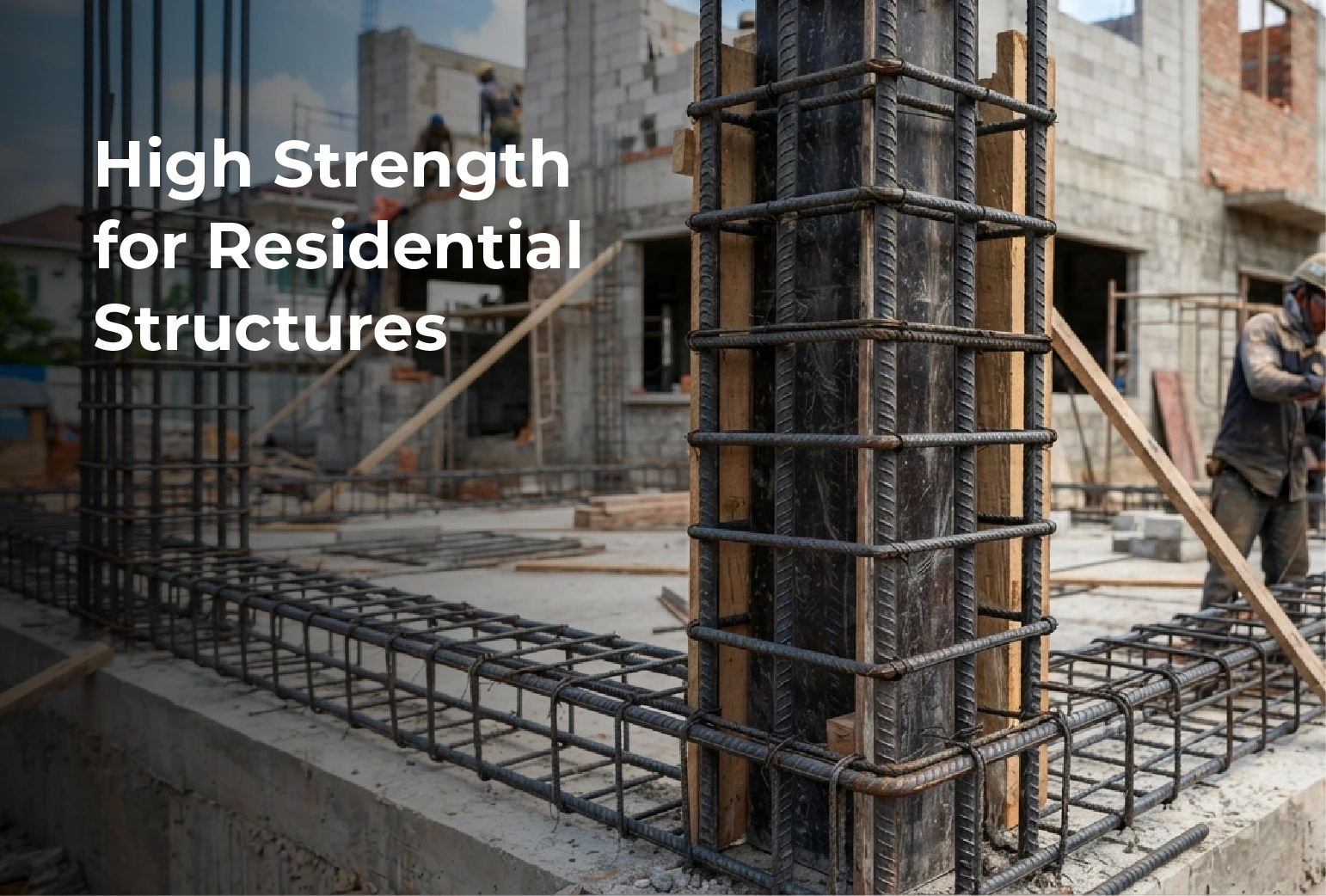
Strength is one of the most important factors when selecting reinforcement steel for residential construction. Every building depends on a structural framework designed to carry and distribute loads throughout its service life. The ability of reinforcement steel to withstand these loads plays a necessary role in the safety, stability, and durability of the structure.
Fe 500 TMT rods are manufactured to deliver a minimum yield strength of 500 N/mm², making them suitable for a wide range of residential applications. This strength allows reinforced concrete members to resist tensile forces that concrete alone cannot withstand. As a result, foundations, columns, beams, slabs, and lintels can perform their structural function under varying loading conditions.
Residential buildings are subjected to different forms of loading throughout their lifespan. Dead loads come from the weight of the structure, including walls, roofing systems, floor finishes, and fixed installations. Live loads come from occupants, furniture, equipment, and daily use. Buildings must also withstand wind loads, temperature fluctuations, and ground movement caused by settlement or changes in soil conditions.
The strength of Fe 500 TMT bars allows engineers to design structural members that meet load requirements while maintaining safety margins. This becomes important in residential developments that feature larger spans, open-plan layouts, cantilever sections, and multi-storey designs, all of which place greater demands on structural performance.
Higher-strength reinforcement can also improve material utilisation. Since Fe 500 TMT bars can carry greater loads, engineers can optimise reinforcement schedules without compromising structural requirements. This helps reduce steel congestion within reinforced concrete members, creating space for proper concrete placement and compaction. The result is stronger structural elements with improved durability and service life.
Nigeria presents a wide range of soil conditions, from coastal environments with high groundwater levels to regions with expansive or unstable soils. In these situations, the quality and strength of reinforcement steel become critical. Fe 500 steel rods provide the load-bearing capacity required to support foundations and structural elements in demanding construction environments.
For builders, developers, and engineers, this combination of strength, reliability, and design efficiency explains why Fe 500 TMT rods remain one of the most trusted reinforcement solutions for residential construction.
Excellent Ductility and Flexibility
Strength alone does not determine the performance of a reinforcement bar. Ductility and flexibility play an essential role in how a structure responds to stress.
Residential buildings experience foundation settlement, temperature fluctuations, wind loads, and other forms of structural movement throughout their lifespan. Reinforcement steel must absorb these stresses without fracturing.
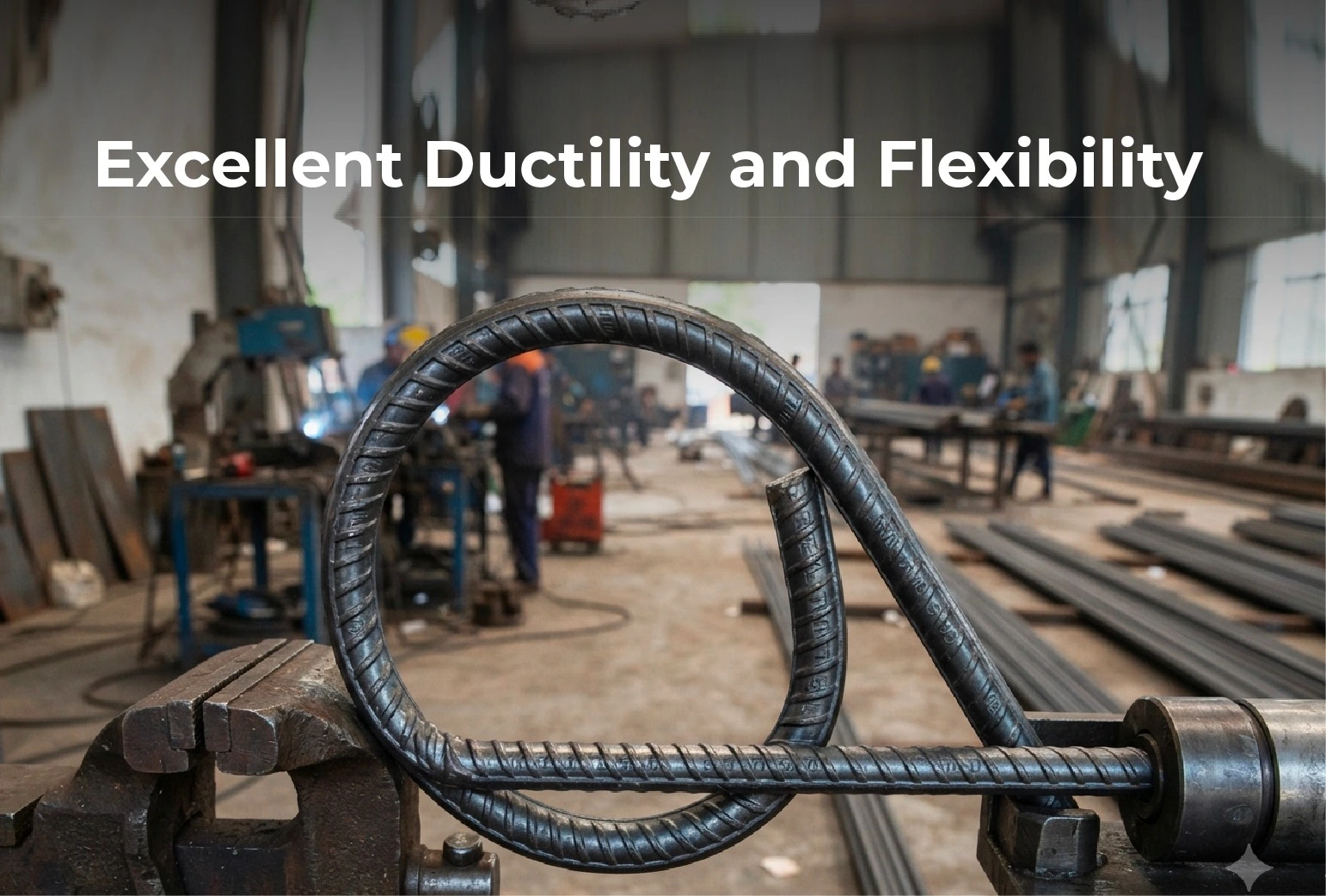
Fe 500 TMT bars are manufactured with a tempered martensitic outer layer and a ferrite-pearlite core. This microstructure allows the bars to deform under load before failure, providing an added margin of safety within the structure.
The ductile nature of Fe 500 steel rods also supports fabrication on-site. Builders can bend, cut, and shape the bars to meet design specifications without compromising structural performance.
This combination of strength and ductility makes Fe 500 TMT bars well-suited for foundations, columns, beams, slabs, and other critical structural elements in residential construction.
Superior Bonding with Concrete
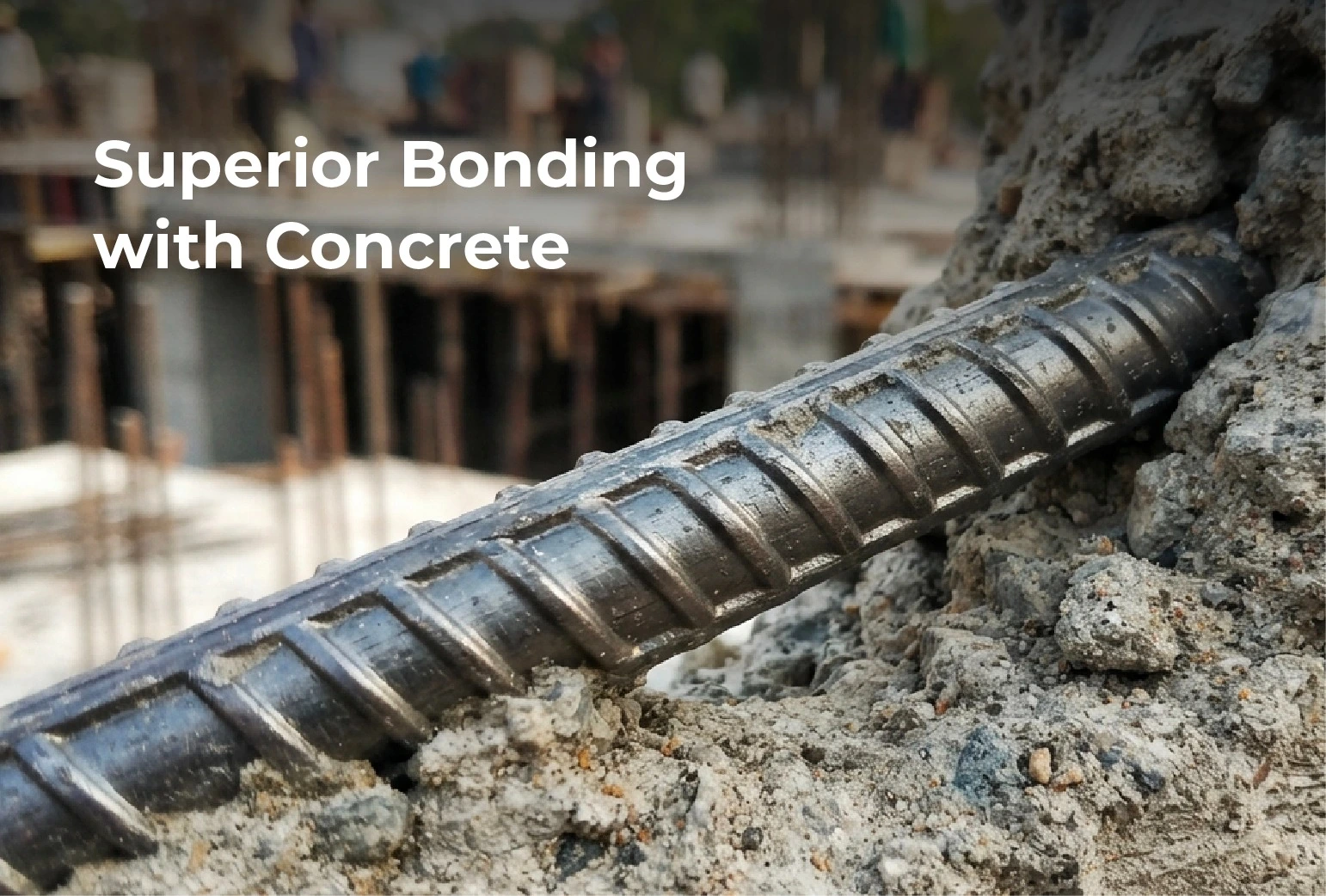
The performance of reinforced concrete depends on the bond between steel and concrete. Without a strong bond, loads cannot be transferred efficiently between the two materials, reducing the effectiveness of the structural system.
Fe 500 TMT rods are manufactured with ribbed surfaces that create a strong mechanical interlock with concrete. This makes the steel and concrete to work together as a single structural unit, improving load distribution and strengthening the overall performance of the structure.
Strong steel-to-concrete bonding helps minimise slippage within reinforced members, improves crack control, and supports structural stability under varying load conditions. These benefits become particularly important in residential buildings, where structural elements are subjected to continuous loading throughout their service life.
For builders and engineers, the reliable bond provided by Fe 500 TMT bars contributes to safer, more durable structures and remains one of the key reasons they are widely used across residential construction projects.
Corrosion Resistance for Long-Term Durability
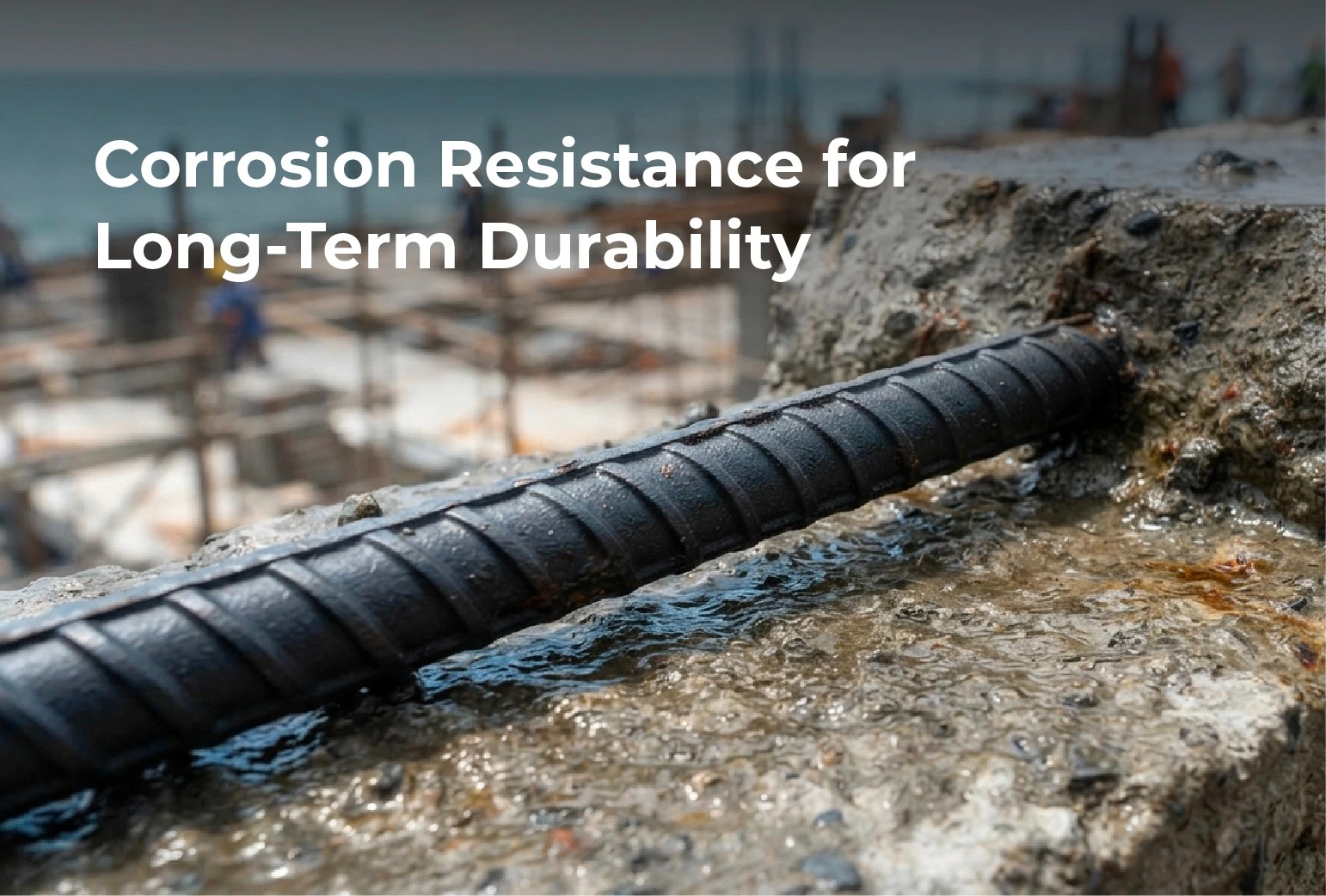
Durability is a key consideration in residential construction, especially in environments exposed to moisture, humidity, rainfall, and groundwater. These conditions can accelerate corrosion in poor-quality reinforcement steel, leading to cracking, spalling, and reduced structural strength.
Fe 500 TMT rods offer improved corrosion resistance due to their thermo-mechanical treatment process, which creates a refined and stable steel structure. When combined with proper concrete cover and sound construction practices, they help extend the lifespan of residential buildings while reducing maintenance and repair costs.
Cost-Effective Construction Solution
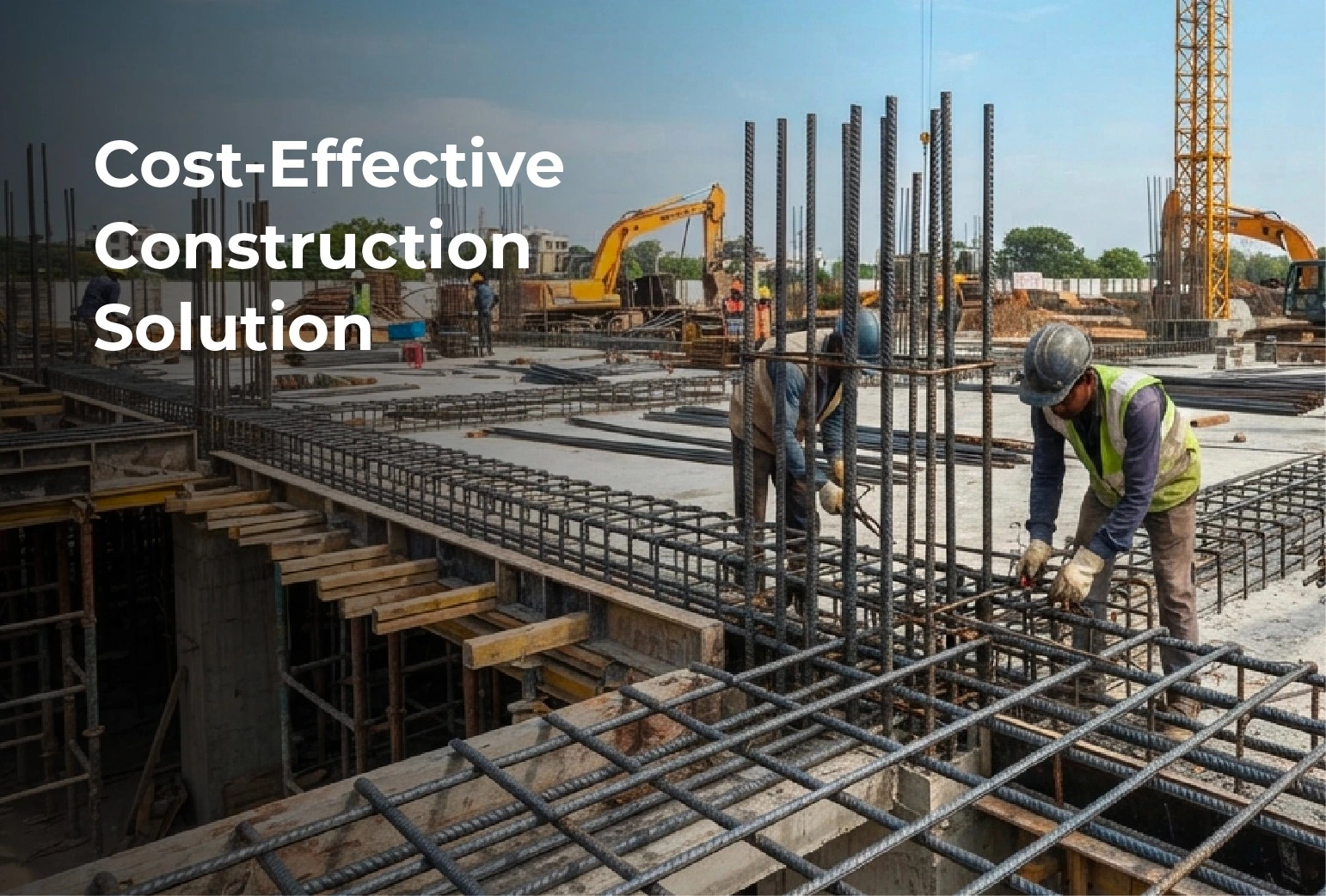
Builders and developers must balance structural performance with project costs. Fe 500 TMT rods support both objectives by combining high strength, durability, and material efficiency.
Their higher yield strength allows engineers to optimise reinforcement designs and reduce steel consumption without compromising safety. This can lower material, transportation, and handling costs while supporting efficient construction processes on site.
The durability of Fe 500 TMT bars also reduces the risk of corrosion-related repairs, helping minimise maintenance costs over the life of the structure. For residential projects, this combination of performance and long-term value makes Fe 500 TMT rods a cost-effective reinforcement solution.
Applications of Fe 500 TMT Rods in Residential Projects
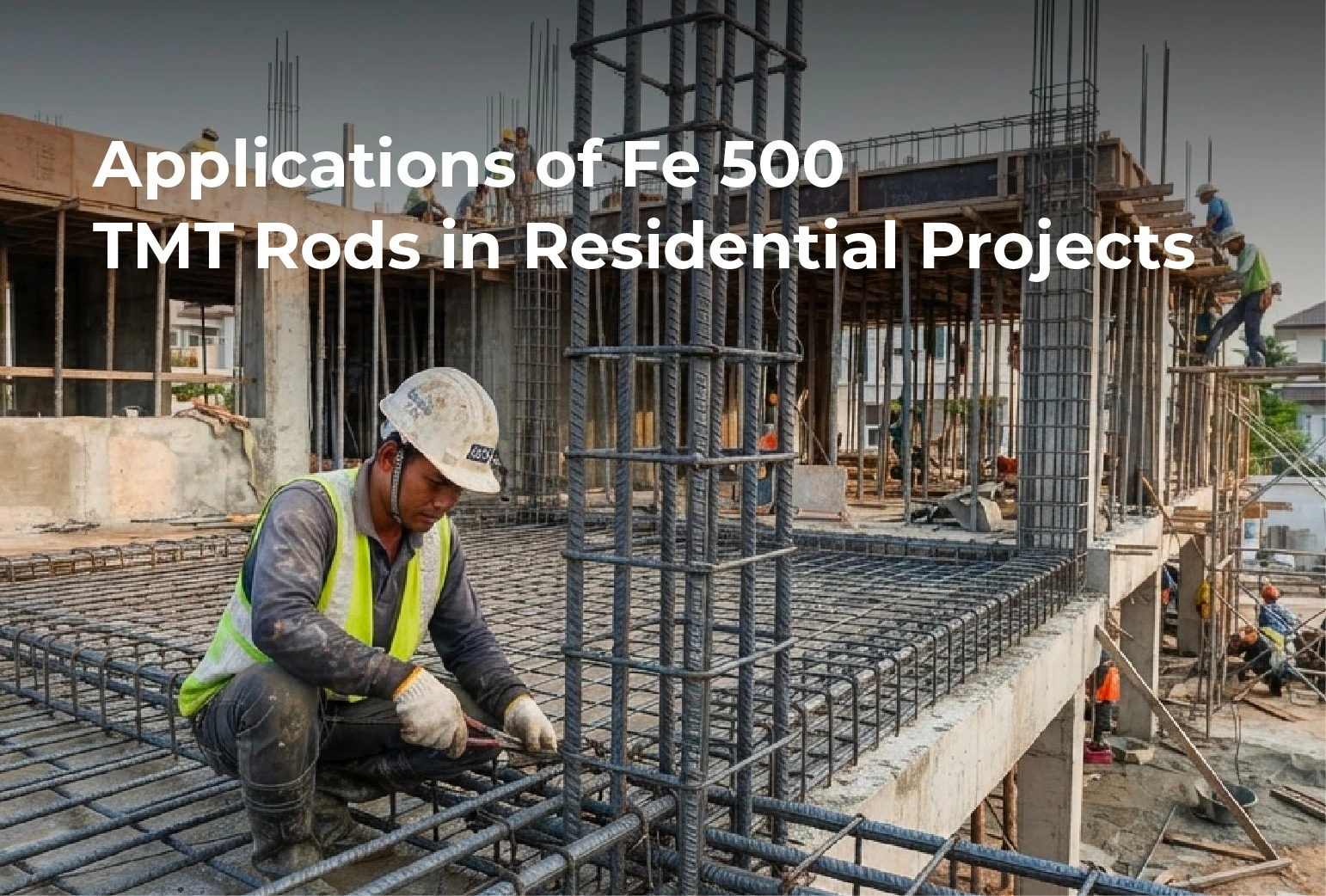
The widespread adoption of Fe 500 TMT rods in residential construction stems from their ability to perform across multiple structural applications. A residential building places different demands on its foundations, columns, beams, slabs, and other load-bearing elements. Fe 500 TMT bars provide the strength and ductility required to meet these demands within a single reinforcement solution.
In foundations, Fe 500 steel rods help transfer structural loads safely into the ground while resisting stresses caused by soil movement and settlement. In columns and beams, they provide the tensile strength needed to support the weight of the structure and distribute loads throughout the building framework. Within slabs and staircases, their strength and flexibility help control cracking and maintain structural stability under repeated loading.
Fe 500 TMT bars are also widely used in retaining walls, boundary walls, overhead water tank supports, and multi-storey residential developments where structural performance and durability are critical. Their versatility allows engineers to specify a single grade of reinforcement across multiple structural elements, simplifying procurement, inventory management, and construction execution.
Fe 500 TMT Rods vs Other TMT Grades
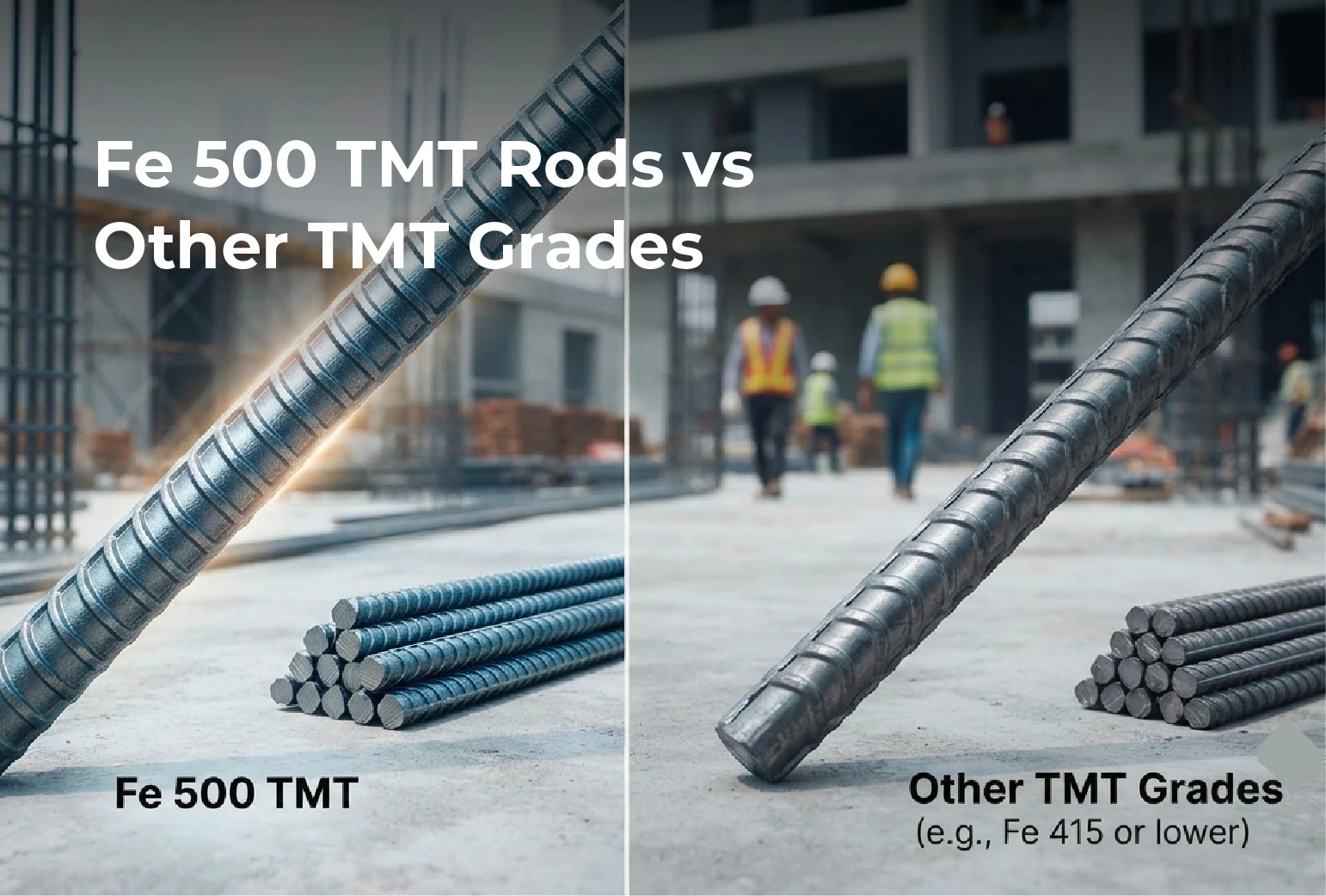
Not all reinforcement steel bars are designed to deliver the same level of performance. The choice of TMT grade influences structural strength, steel consumption, construction costs, and long-term durability.
Fe 415 TMT Bars
Fe 415 bars were once a common choice for residential construction due to their lower strength requirements. However, their lower yield strength often requires greater quantities of steel to achieve the same structural performance. As construction standards and design requirements have evolved, many engineers have shifted towards Fe 500 TMT bars because they offer higher strength and improved material efficiency.
Fe 500 TMT Bars
Fe 500 TMT bars have become the benchmark for residential construction because they provide a balance of strength, ductility, durability, and cost efficiency. They are strong enough to meet the requirements of modern housing projects while maintaining the flexibility needed for fabrication and structural performance. This balance explains why they remain one of the most widely specified grades for house construction.
Fe 550 and Fe 600 TMT Bars
Fe 550 and Fe 600 bars are designed for structures that demand higher load-bearing capacity, such as high-rise buildings, bridges, industrial facilities, and large infrastructure projects. While these grades offer greater strength, they can introduce design and fabrication considerations that are unnecessary for most residential developments. For this reason, Fe 500 remains the preferred choice for many housing projects.
Fe 500 vs Fe 500D
One of the most common questions from builders and engineers concerns Fe 500 vs Fe 500D. Both grades provide a minimum yield strength of 500 N/mm², but they differ in ductility.
Fe 500D is manufactured to achieve higher elongation values, allowing the steel to undergo greater deformation before failure. This additional ductility can be beneficial in structures exposed to seismic forces or projects where higher deformation capacity forms part of the design requirement.
For most residential buildings, standard Fe 500 TMT bars provide an excellent balance of strength and performance. Where design specifications call for enhanced ductility, Fe 500D offers an alternative without compromising strength.
Factors to Consider When Purchasing Fe 500 TMT Rods
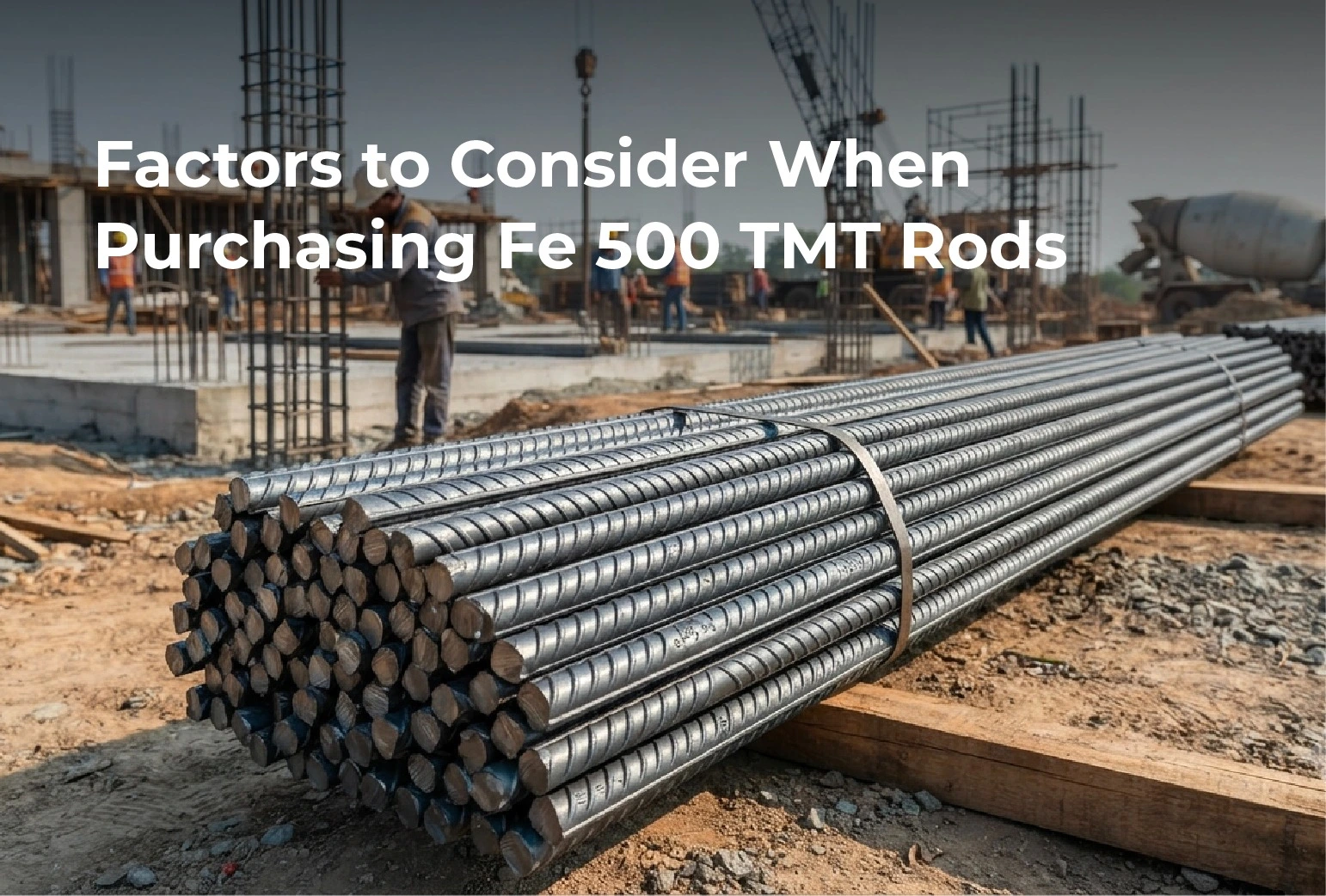
Not all Fe 500 TMT rods deliver the same level of performance. The quality of reinforcement steel depends on the manufacturing process, raw material quality, testing procedures, and consistency of production. Choosing the right supplier is therefore as important as selecting the right grade.
Builders and engineers should begin by evaluating the reputation of the manufacturer. Established TMT rod manufacturers in Nigeria invest in modern production equipment, quality control systems, and testing procedures that help ensure product consistency from one batch to another.
Compliance with recognised standards is another critical consideration. Reinforcement steel should meet the required specifications for yield strength, tensile strength, elongation, and chemical composition. Product certifications and mill test reports provide assurance that the steel has been manufactured and tested according to industry requirements.
Dimensional accuracy also plays an important role in structural performance. Variations in diameter or unit weight can affect reinforcement schedules and alter the amount of steel incorporated into a structure. Consistent dimensions help engineers achieve the design strength specified for the project.
Buyers should also assess the manufacturer's quality control processes. Regular testing during production helps verify that every batch meets the required mechanical properties and performance standards. This reduces the risk of defects that could compromise structural integrity.
Finally, supply reliability should not be overlooked. Construction projects depend on timely material availability, and supply disruptions can affect project schedules and increase costs. Working with a manufacturer that can provide consistent product quality and dependable supply helps ensure smooth project execution from foundation to completion.
By considering these factors, builders can make informed purchasing decisions and ensure that the reinforcement steel used in a project delivers the strength, durability, and reliability required for long-term structural performance.
The continued demand for Fe 500 TMT rods in residential construction reflects their ability to meet the structural requirements of modern buildings. Their combination of high strength, ductility, strong concrete bonding, corrosion resistance, and long-term durability makes them one of the most reliable reinforcement solutions available today.
From foundations and columns to beams and slabs, Fe 500 TMT bars provide the performance needed to support safe and durable residential structures. Their strength helps engineers optimise designs, while their durability contributes to lower maintenance costs and longer building lifespans.
As construction standards continue to evolve, builders and engineers require reinforcement steel that can deliver consistent performance under demanding conditions. Fe 500 TMT rods continue to meet this need, which is why they remain among the best TMT bars for residential projects.
At Quantum Steels Nigeria, we remain committed to supplying high-quality reinforcement steel bars that support stronger structures, safer homes, and sustainable development across the country.
Build Stronger Structures with Quantum Steels
Selecting the right reinforcement steel is one of the most important decisions in any construction project. Quantum Steels Fe 500 TMT rods are manufactured to deliver the strength, durability, and consistency required for residential developments of every scale.
Speak with our team today to request a quote, obtain product specifications, or learn how our Fe 500 TMT bars can support your next project.