





Wire Rods vs TMT Rebars: Which Steel Product Does Your Construction Project in Nigeria Actually Need?
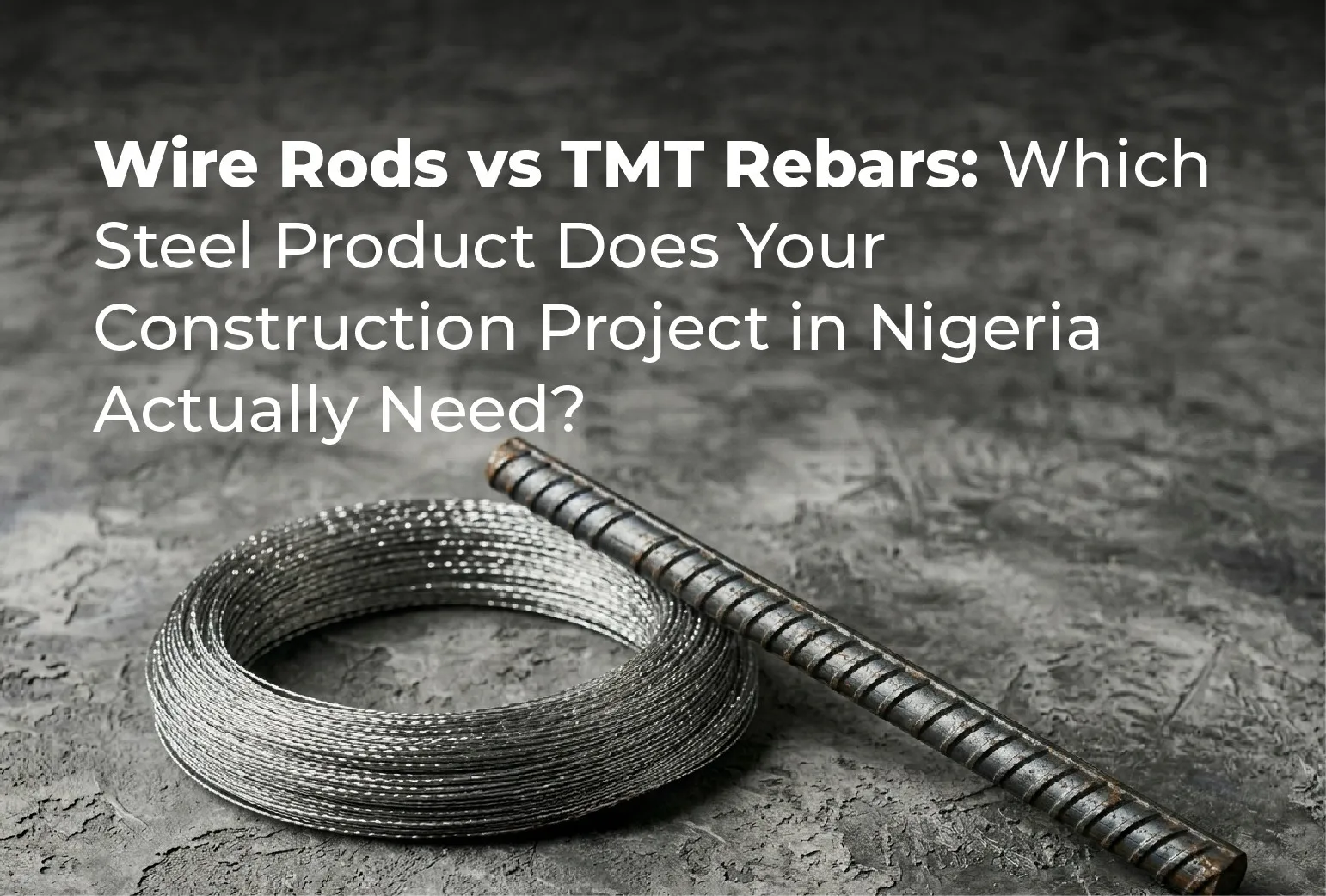
Every construction project begins with material decisions. These choices determine the strength, durability, and cost efficiency of the final structure. Among them, the choice of steel is especially critical. Steel forms the backbone of modern construction. It is used in residential buildings, commercial developments, and large-scale infrastructure. Steel provides the support that allows these projects to stand the test of time.
Steel comes in different forms tailored for specific roles and stresses in construction projects. Choosing the correct steel product for each application ensures components work as designed and avoids inefficiencies or compromised results.
Some confusion often arises, particularly between commonly used materials such as reinforcement bars and wire rods. Both may originate from similar production processes. However, their properties, applications, and performance expectations differ. Understanding these differences at the procurement stage allows contractors, engineers, and developers to make informed decisions. This improves build quality, optimizes material usage, and maintains cost control during construction.
In Nigeria, many buyers confuse wire rods with TMT rebars. It is easy to see why — both come from steel billets, and their prices can look similar on a supplier’s list. But here is the thing: they are not the same product, and they are not expected to do the same job.
Understanding how and where to use wire rods in Nigeria versus reinforcement bars is a technical detail that directly affects the outcome of structural integrity, material efficiency, and overall project cost. Making the right choice at the procurement stage ensures that materials are used as intended, thereby reducing waste and preventing costly corrections later in the building process.
What Are Wire Rods?
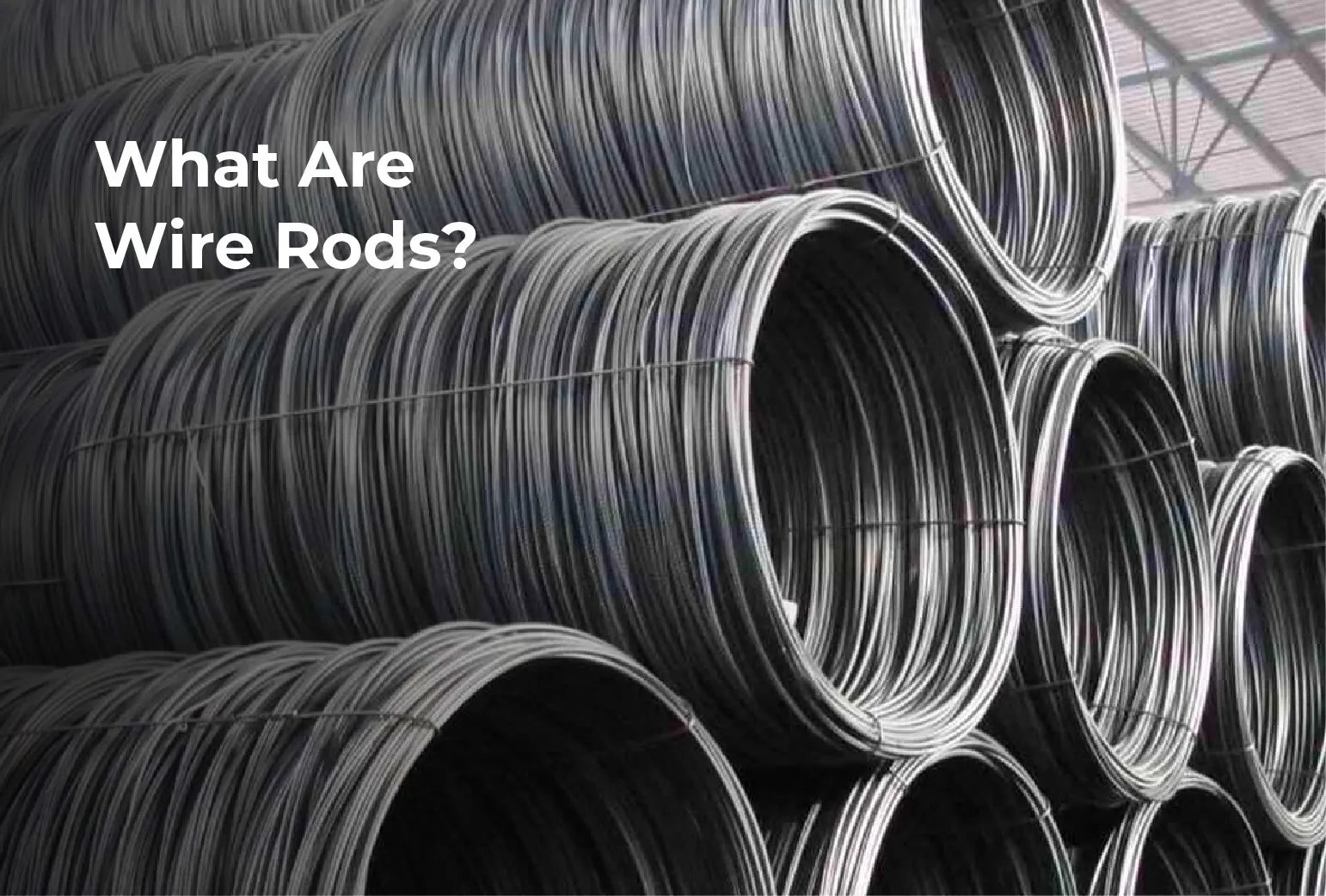
Wire rods are long, hot-rolled steel products supplied in coiled form. They are produced by passing steel billets through rolling mills, resulting in continuous lengths of steel that can be easily handled, transported, and further processed. Their defining characteristic is flexibility, which makes them suitable for shaping, drawing, and fabrication.
Unlike structural reinforcement materials, wire rods are primarily used as input materials for manufacturing processes and light construction rather than for carrying structural loads. Their function is to serve as the raw material from which several essential construction components are produced. Through processes such as drawing, cutting, and shaping, wire rods are transformed into products like nails, binding wires, fencing materials, and welded wire mesh, all of which play critical roles at different stages of construction.
On-site, for example, binding wires derived from wire rods are used to secure reinforcement bars in place before concrete is poured, ensuring alignment and stability during structural formation. In fabrication workshops, wire rods are adapted into various components used for enclosures, supports, and light structural elements. Their flexibility and ease of manipulation make them suitable for applications that require shaping, fastening, or joining rather than load-bearing strength.
Although they do not contribute directly to the structural integrity of a building in the same way as reinforcement bars, their importance cannot be overstated. Without wire rods and the products derived from them, key construction processes would be less efficient, less precise, and more difficult to execute. This makes them an indispensable part of both construction sites and broader industrial operations, supporting the overall build process from preparation to completion.
In the Nigerian context, wire rods are used across multiple sectors due to their versatility and ease of adaptation. They are processed into nails used in carpentry and general construction. On building sites, they are drawn into binding wires that hold reinforcement bars in place before concrete is poured. They are also used in the production of fencing materials, welded wire mesh, and other fabricated components required in workshops and industrial environments.
While they do not carry structural loads, wire rods play a crucial role in ensuring that structural elements are properly assembled and supported during construction projects.
What Are TMT Rebars?
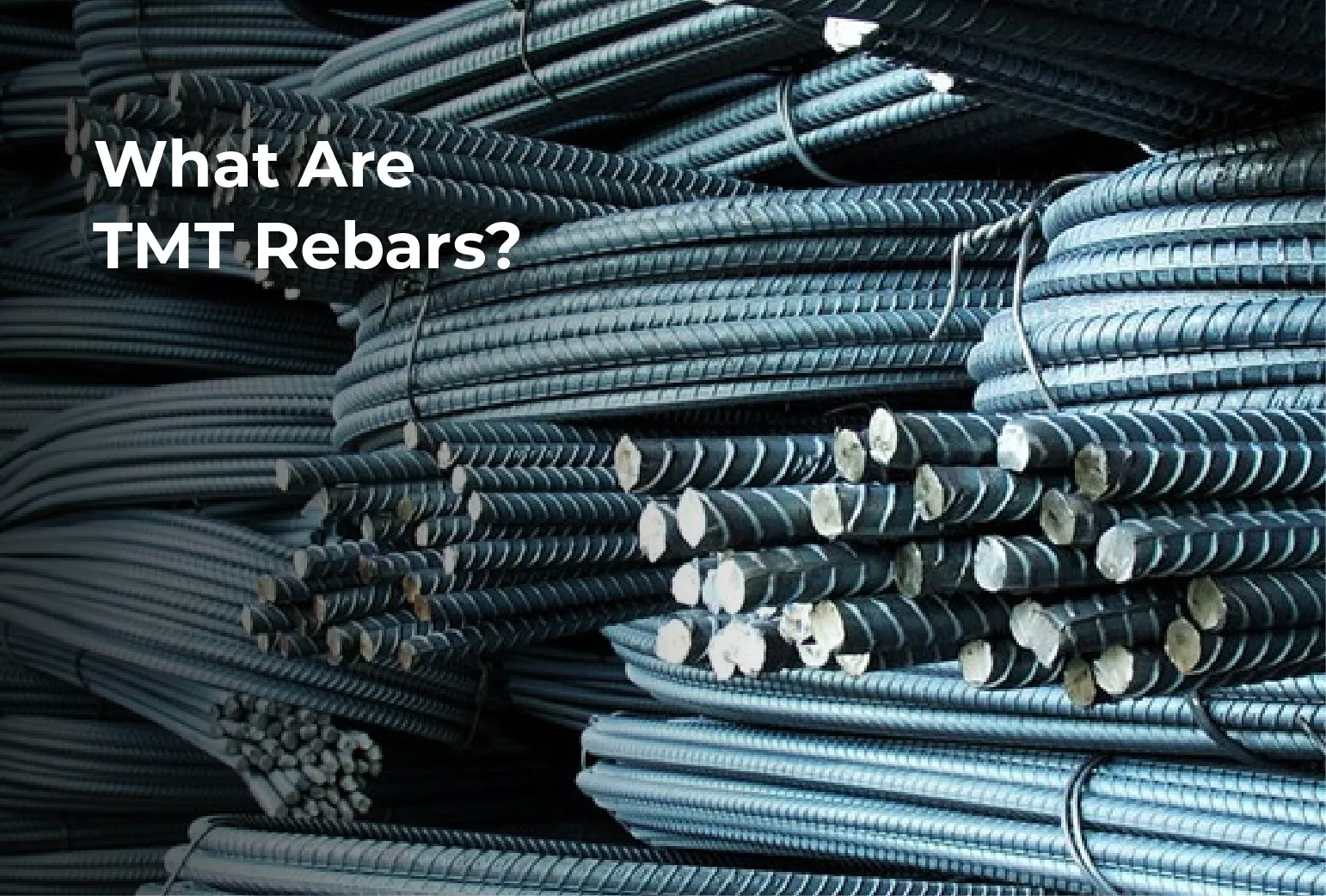
TMT rebars, also known as Thermo-Mechanically Treated steel bars, are designed for structural reinforcement in concrete. Their primary function is to strengthen concrete, which is inherently strong in compression but weak in tension.
Through a thorough manufacturing process involving heat treatment and rapid cooling, TMT rebars have a strong outer layer and a ductile core. This combination enables them to withstand stress while maintaining flexibility under load, making them a good choice for meeting heavy structural requirements. Across construction projects, TMT rebars form the internal framework that gives buildings their strength and stability.
They are used in columns that support vertical loads, in foundations to distribute weight into the ground, for beams that carry horizontal forces, and slabs that form floors and ceilings. In large-scale infrastructure, such as bridges, high-strength rebars are essential for maintaining structural integrity under continuous stress and environmental exposure.
In essence, while wire rods support the construction process, TMT rebars define the structure itself.
Wire Rods vs TMT Rebars - Key Differences
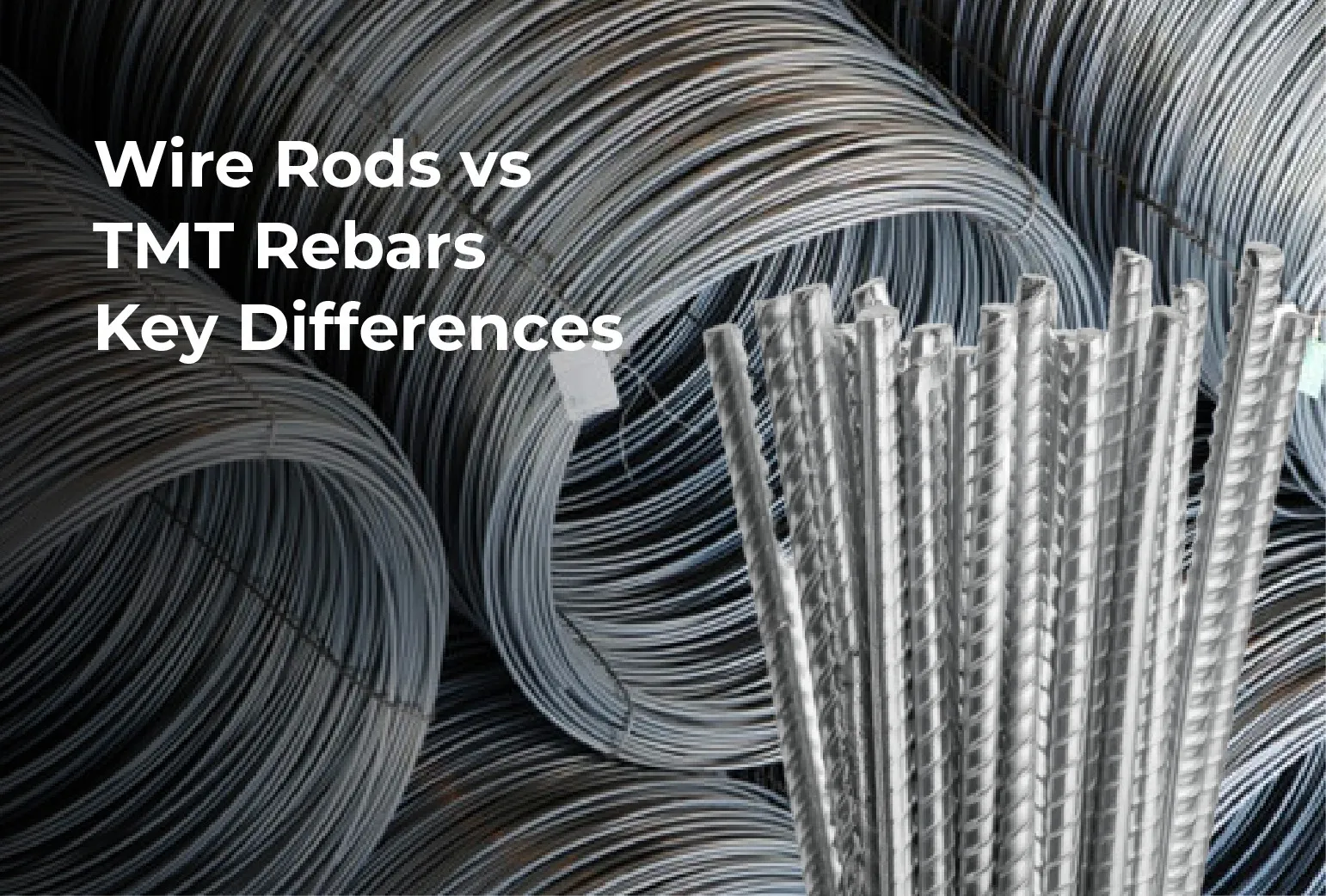
Understanding TMT rebars and wire rods requires looking beyond surface similarities and focusing on how each product performs in practice.
- The first distinction lies in form. Wire rods are supplied in coils, making them flexible and easy to manipulate into various shapes. TMT rebars, on the other hand, are straight bars with defined diameters, produced for direct use in structural frameworks.
- Strength is another critical difference when comparing the two items. TMT rebars are designed to carry heavy loads and resist tensile stress within reinforced concrete structures. Wire rods do not possess this level of strength and are therefore unsuitable for load-bearing construction.
- Flexibility also serves different purposes, as wire rods are physically flexible for manufacturing and shaping, while TMT rebars are designed to combine strength with controlled ductility, allowing them to absorb stress without breaking.
Their usage reflects these differences. Wire rods are used for accessories such as binding wires, mesh, and fabrication components, while TMT rebars are embedded within concrete to form the structural skeleton of buildings and infrastructure. Cost considerations must also be understood correctly. Wire rods may appear more affordable per unit, but they cannot replace rebars in structural uses. Misusing one in place of the other can lead to compromised performance and higher long-term costs.
Both products are widely available across Nigeria, but their functions are not interchangeable. A clear understanding of TMT rebars compared to wire rods ensures that each material is used where it delivers the most value.
MS Strips and Steel Pipes: When to Add These to Your Order
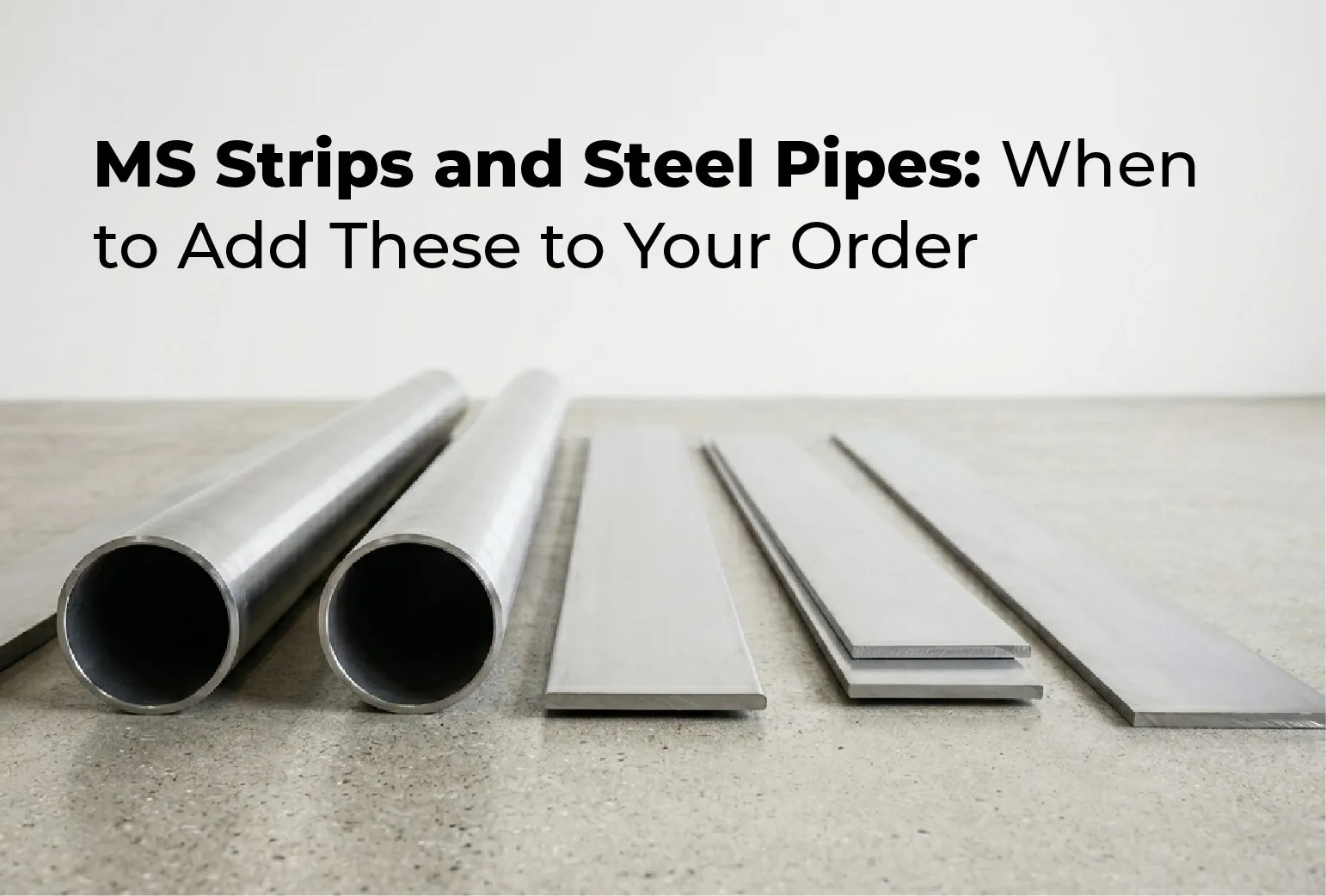
Beyond wire rods and reinforcement bars, construction and fabrication projects often require additional steel products to complete structural and mechanical systems. MS strips are flat steel sections used in fabrication and industrial work. In the Nigerian market, MS strips are applied in the production of frames, supports, brackets, and other fabricated components that require strength and formability. Steel pipes work for a different purpose, as they provide structural support and fluid transport solutions. Steel pipes in Nigeria are used in construction frameworks, scaffolding systems, water distribution networks, and infrastructure projects that require durable and corrosion-resistant materials.
Including these materials in the construction procurement plan ensures that all aspects of the project, such as structural reinforcement, fabrication, and utilities, are properly supported with the right steel products.
How to Source from a Trusted Steel Supplier in Lagos
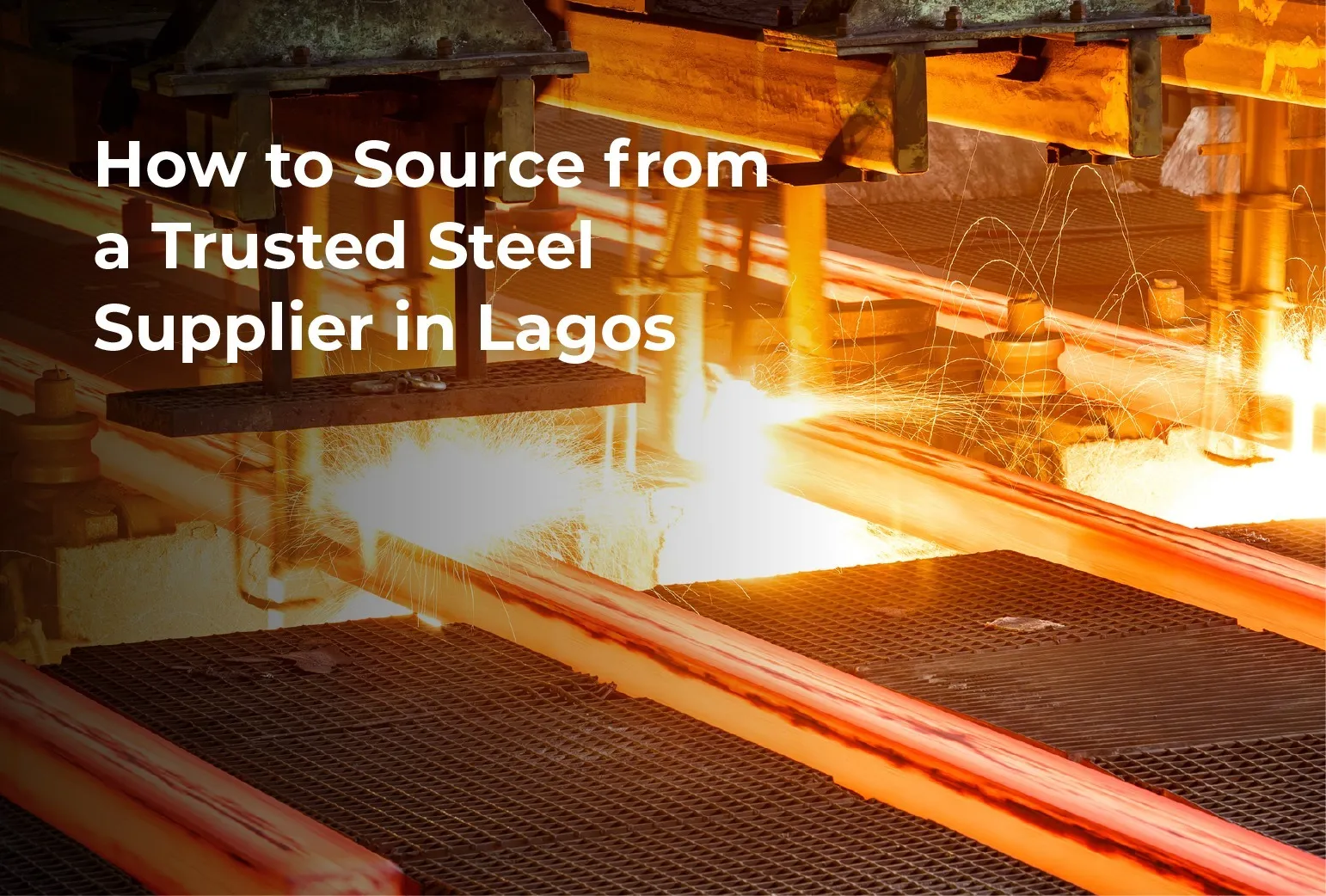
Selecting the right materials is only part of the equation. The reliability of your supplier plays a critical role in determining project success. A reputable steel supplier in Lagos should provide products that meet recognized quality standards, ensuring consistency in strength, composition, and performance. Certification and quality assurance processes are particularly important when sourcing structural materials such as TMT rebars. Timely delivery is equally essential. Construction schedules depend on material availability, and delays can disrupt workflows and increase costs. Suppliers with strong logistics capabilities and inventory management systems are better equipped to meet project timelines.
Working with a supplier that can provide wire rods, TMT rebars, MS strips, and steel pipes in Nigeria under one roof simplifies procurement and reduces inconsistencies across materials. It also allows for better coordination, especially on projects where timing and material quality affect execution.
This is where working with an established producer such as Quantum Steels Nigeria Limited becomes practical. With the ability to supply multiple steel products at scale, the focus shifts from managing vendors to executing the project itself. For contractors and developers, partnering with a reliable steel supplier in Lagos helps reduce delays, maintain quality standards, and keep projects on track.
The decision between wire rods and TMT rebars is about function. Wire rods support processes like binding, fabrication, and manufacturing, while TMT rebars provide the structural reinforcement that holds concrete together. Understanding this distinction ensures materials are used correctly and efficiently.
For professionals working with steel products for construction in Nigeria, getting this right has a direct impact on durability, cost control, and long-term performance. If you’re planning a project and need clarity on the right materials and getting access to them, it’s worth speaking with a supplier that understands both products and uses. Reach out to Quantum Steels Nigeria Limited through our website www.quantumsteelsnigeria.com to discuss your requirements and secure the materials needed to deliver your projects properly.
Looking for high-quality BRC wire mesh in Nigeria?
Partner with a trusted supplier for durable reinforcement, consistent quality, and fast bulk delivery for your infrastructure projects.